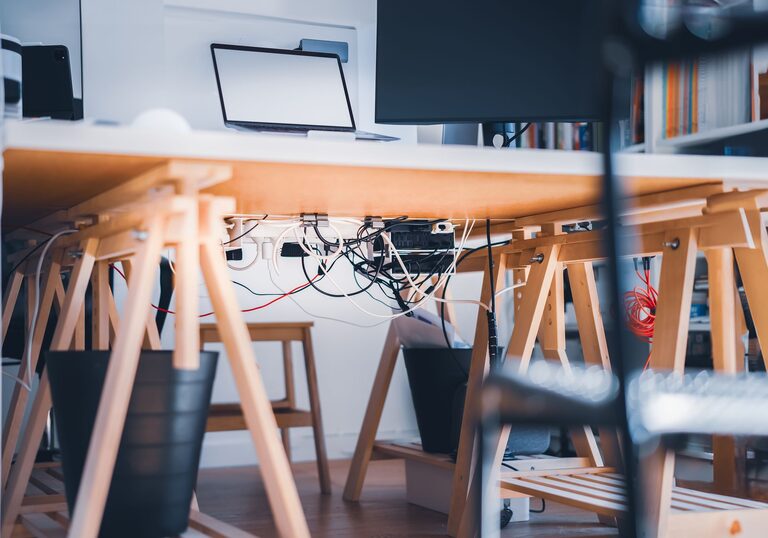

Working from home offers flexibility and comfort, but it also comes with unique challenges, especially when it comes to maintaining focus. Without the structure of a traditional office, distractions can easily disrupt your workflow, making it harder to stay productive. Fortunately, there are several effective strategies you can use to improve your concentration and make the most of your remote workday.
Create a Dedicated Workspace
One of the most important steps to better focus is setting up a dedicated workspace. This helps your brain associate a specific area with work, making it easier to switch into “work mode.”
– Choose a quiet and comfortable spot with enough lighting.
– Ensure your desk and chair support good posture.
– Keep your workspace tidy and free from clutter.
– Avoid working from places associated with relaxation, such as the bed or couch.
Establish a Consistent Routine
Having a consistent daily schedule helps signal to your mind when it’s time to work and when to rest.
– Start your day at the same time each morning.
– Follow regular breaks, such as a 5-minute break every hour.
– Include a morning routine to prepare yourself mentally for work.
– Set a clear end time to separate work hours from personal time.
Prioritize Tasks with a To-Do List
Organizing your tasks can greatly improve your focus and reduce feelings of overwhelm.
– Write down your tasks every morning or the night before.
– Use the “priority” method: tackle important and urgent tasks first.
– Break large projects into smaller, manageable steps.
– Check off completed tasks to boost motivation.
Minimize Digital Distractions
Technology can be a double-edged sword when working from home. While essential, it can also interfere with your concentration.
– Turn off unnecessary notifications on your phone and computer.
– Use website blockers to prevent access to distracting sites during work hours.
– Keep your phone out of sight or in another room while working.
– Schedule specific times to check email and messages instead of constantly monitoring them.
Use Time Management Techniques
Adopting a structured approach to work intervals can improve your attention span.
– Try the Pomodoro Technique: work for 25 minutes, then take a 5-minute break.
– Experiment with time blocks, dedicating certain hours to focused work.
– Use timers or productivity apps to keep track of your work sessions.
– Adjust your work intervals to match your natural energy levels.
Take Regular Breaks and Move
Breaks are essential for maintaining mental clarity and preventing burnout.
– Stand up and stretch every hour.
– Take short walks, even if just around your room or outside.
– Use breaks to hydrate and eat healthy snacks.
– Practice mindfulness or deep breathing exercises to refresh your mind.
Limit Multitasking
Though multitasking may seem efficient, it can actually reduce the quality of your work and focus.
– Concentrate on one task at a time.
– Finish one task or a part of it before moving to another.
– Allocate time slots for different types of work or projects.
– Avoid switching between work and personal tasks during your work hours.
Communicate Boundaries with Others
Working from home often means sharing space with family or housemates, which can sometimes disrupt your concentration.
– Let others in your household know your work schedule.
– Use visual cues like a closed door or a sign to indicate when you shouldn’t be disturbed.
– Arrange quiet hours if possible.
– Plan time for socializing and family outside of work hours to maintain good relationships.
Maintain a Healthy Lifestyle
Your physical well-being directly affects your mental focus and energy.
– Get enough sleep each night to feel rested.
– Eat balanced meals to fuel your brain.
– Stay hydrated throughout the day.
– Incorporate regular physical activity into your routine.
Adjust and Personalize Your Approach
Everyone’s work habits and environments are different, so it’s important to find what works best for you.
– Experiment with different focus techniques and routines.
– Reflect on what times of day you are most productive.
– Adjust your workspace or schedule as needed.
– Be patient with yourself and allow flexibility.
—
By setting up the right environment, managing your time intentionally, and taking care of your well-being, you can build habits that support better focus while working from home. These strategies not only help increase productivity but also make your remote work experience more enjoyable and balanced.
About the Author