
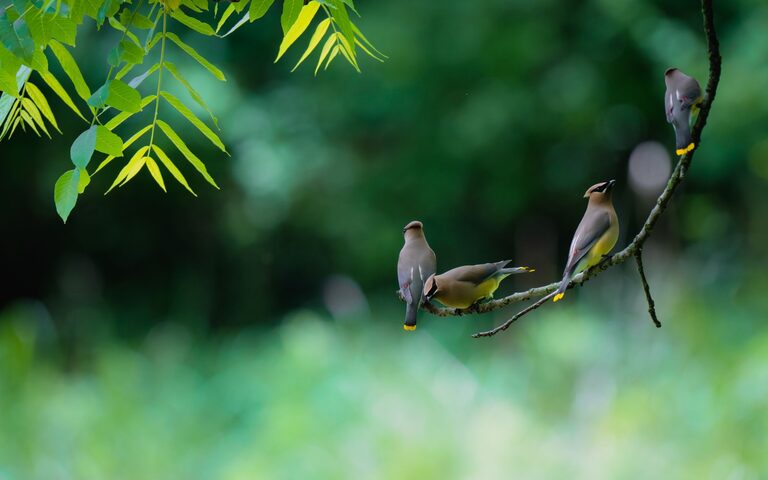
Birdwatching is a relaxing and rewarding hobby that anyone can enjoy, right in their own backyard. Whether you live in a bustling city or a quiet suburb, observing birds can bring a sense of peace and connection to nature. If you’re new to this pastime, these beginner tips will help you get started and make the most of your birdwatching experience.
Why Start Backyard Birdwatching?
Birdwatching offers a chance to slow down and appreciate the natural world around you. It can be done anytime, requires minimal equipment, and provides a way to learn about local wildlife. Plus, it’s a great activity to share with family or friends.
Getting Started: What You Need
You don’t need a lot of fancy gear to begin birdwatching. Here’s a basic list of what will help you enjoy the hobby:
– Binoculars: A good pair of binoculars will bring birds into clear view. Look for lightweight models with 7x or 8x magnification.
– Field Guide: A bird identification book or app tailored to your region helps you recognize species and learn their habits.
– Notebook or App: Keeping a journal or using an app to record your sightings makes the experience more engaging and educational.
– Bird Feeder and Birdseed: Attract birds to your yard with feeders and seeds suited to the types of birds in your area.
Choosing a Bird Feeder and Food
Different birds prefer different kinds of food. Offering a variety can attract a wider range of species.
Common Bird Feeders
– Platform Feeders: Open trays where you can place seeds, nuts, or fruit.
– Tube Feeders: Cylindrical feeders that hold seeds like sunflower or nyjer.
– Suet Feeders: Wire cages filled with suet cakes, great for woodpeckers and nuthatches.
– Hummingbird Feeders: Designed for nectar, attracting hummingbirds during warmer months.
Popular Bird Foods
– Black-oil sunflower seeds
– Nyjer seeds for finches
– Peanuts (unsalted and shelled)
– Suet cakes or homemade suet mixtures
– Fresh fruit such as apples or berries
Setting Up Your Birdwatching Spot
Choose a quiet spot in your yard with a clear view of your feeders or natural vegetation where birds may perch or nest. Consider these tips:
– Place feeders where you can watch comfortably from a window or sitting area.
– Position feeders away from windows to reduce the risk of bird collisions.
– Add shrubs or native plants nearby to provide shelter and food sources.
– Avoid using pesticides or chemicals in your yard to create a safe environment.
Observing and Identifying Birds
Once your feeders are set up, spend time watching quietly. Early mornings and late afternoons are prime times when birds are most active.
Observation Tips
– Move slowly and keep noise to a minimum.
– Watch for behaviors such as feeding, singing, or nesting.
– Notice colors, shapes, and sizes to help identify species.
Using Field Guides or Apps
– Compare birds you see to photos and descriptions.
– Note distinctive features like beak shape, feather patterns, or calls.
– Apps like Merlin Bird ID or Audubon Bird Guide can assist with identification by location and photos.
Keeping a Birdwatching Journal
Recording your sightings helps you track which birds visit and when. You might include:
– Date and time
– Weather conditions
– Bird species observed
– Behaviors noticed
– Sketches or photos
Over time, this journal becomes a personal record of your backyard wildlife experience.
Additional Tips for Success
– Be patient. Birds may take time to discover a new feeder.
– Clean feeders regularly to prevent disease.
– Refill feeders consistently, especially in cold or dry seasons.
– Learn local bird calls to recognize species by sound.
– Connect with local birdwatching groups or online communities for support and advice.
Enjoying the Experience
Remember, backyard birdwatching is about appreciation, not just ticking off species. Take time to enjoy the sights and sounds, and you’ll find that even common backyard birds can be fascinating.
Conclusion
Starting backyard birdwatching is simple and enjoyable for beginners. With a bit of setup and patience, your yard can become a lively spot for bird observation. By providing food, shelter, and a safe environment, you’ll attract a variety of birds and deepen your connection to nature.
Happy birdwatching!
About the Author